
Commercial Grill Dimensions: Charbroiler Sizes Chart
Commercial grill dimensions for charbroilers: widths, depths, grate space and hood clearance, plus a grill size chart and what fits a food truck galley.
By the Food Truck Layout team
Commercial grill dimensions follow the same width steps as the rest of the hot line: 12, 15, 18, 24, 30, 36, 48, 60 and 72 inches. Depth is the number that catches people out. A countertop gas charbroiler usually measures about 26 to 33 inches front to back, deeper than the counter it sits on. The grill size chart below covers charbroilers, the grate-top grills that cook over radiants or lava rock. For solid flat tops, the numbers are on the griddle sizes page.
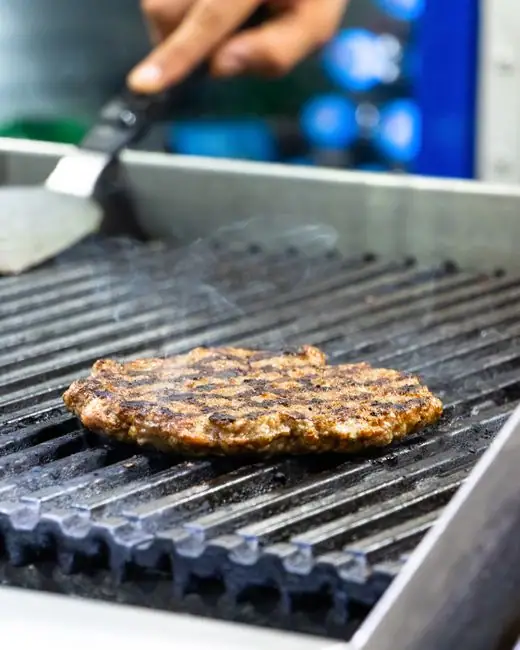
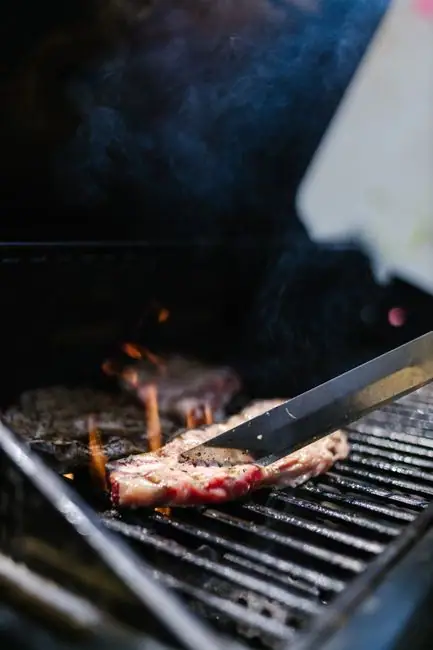
Widths are nominal. A unit sold as a 36-inch grill is about 36 inches wide on the outside, and the grate inside is narrower than that.
What are standard commercial grill dimensions?
Standard commercial charbroilers run 12 to 72 inches wide in 6 to 12 inch steps. Countertop models are about 26 to 33 inches deep and 13 to 16 inches tall at the body, plus roughly 4 inch legs. Grates are usually 20 to 24 inches front to back. Floor models stand on a base and put the grate near counter height.
The grate is only part of the depth. Behind and under it sit the grease trough, a drip pan and a flue, and heavy duty models add a raised back. That is why a grill with a 21-inch grate can still measure 30 inches deep overall.
Charbroiler widths and depths, side by side
| Nominal width | Burners, radiant models | Overall depth | Grate depth | Grate area | Where it suits |
|---|---|---|---|---|---|
| 12 to 15 in | 2 to 3 | 26 to 30 in | 20 to 24 in | 240 to 360 sq in | side station, cart, short menu |
| 18 to 24 in | 3 to 4 | 26 to 33 in | 20 to 24 in | 360 to 576 sq in | the usual food truck choice |
| 30 to 36 in | 5 to 6 | 26 to 33 in | 20 to 24 in | 600 to 864 sq in | grill-led menus, longer boxes |
| 48 in | 8 | 28 to 33 in | 21 to 24 in | 1,008 to 1,152 sq in | event lines and trailers |
| 60 to 72 in | 10 to 12 | 30 to 34 in | 21 to 24 in | 1,260 to 1,728 sq in | restaurant lines, rare in a truck |
The burner counts assume one burner for every 6 inches of width, which is common on radiant charbroilers. Lava rock and lighter duty units often use one burner per 12 inches, so read the data plate. Grate area here is width times grate depth, worked out rather than measured, and the usable area is smaller once you leave room to turn food.
Gas input is listed per burner and adds up fast, which is why a 36-inch charbroiler can want more propane than a griddle of the same width. Pull the British thermal unit rating off the spec sheet for your exact model and hand it to whoever sizes the gas line and regulator.
How a grill differs from a griddle in size
On paper the two look alike. Both come in foot-wide steps, both are roughly 27 to 33 inches deep, and both eat one stretch of wall.

The differences show up in the space around them. A flat-top griddle is a solid plate, so grease runs to a front trough and you can crowd equipment beside it. A barbecue grill style charbroiler drips fat onto hot radiants, which means flare-ups, a pan you pull out the front, and a hotter zone next door.
So leave the pull-out room on the plan. A grill boxed in tight by a fryer and a cabinet is hard to clean, and the grease pan is the part staff skip when it does not slide out.
What size grill fits a food truck galley?
In most builds, a 24-inch charbroiler. Thirty-six inches is the practical ceiling unless grilling is the whole menu. The limit is wall length, not the grill: after the sinks and a prep table, a 16-foot box leaves around 10 feet of hot line, and the grill shares that with a fryer and a griddle.
Width sets the other limit. A food truck is 96 to 102 inches wide outside, so you have roughly 7 to 8 feet inside. Two rows of 30-inch-deep equipment with a 30-inch aisle between them needs about 90 inches, which only the widest units give you.
Depth, not width, is the tight dimension
Most truck counters are built 30 inches deep. A charbroiler at 33 inches hangs over the front edge, into the aisle, at hand height. Measure the deepest point of the unit, including any back riser, before you commit to a counter depth.
Hood size and clearances
A charbroiler is grease-producing equipment, so it goes under a Type I hood. Hoods are normally required to extend past the cooking surface on the open sides, often by about 6 inches, which means a 36-inch grill wants a wider hood section than 36 inches. Confirm the figure with the plan reviewer who signs off your build.
The fire suppression system matters too. Nozzles are aimed at specific appliances in specific positions, so swapping a griddle for a grill, or sliding the grill a foot down the wall, is a change to the system and not a free move.
Measure before you order
- Measure the clear wall length between the sinks and the service counter.
- Write down the grill’s overall width and depth from the spec sheet, not the model name.
- Add the clearance to combustibles from the data plate on each side.
- Check the hood overhang on both open sides and the hood height above the grate.
- Confirm the unit fits through the rear door or hatch at the angle it has to turn.
Then fit it into the rest of the line. The food truck equipment list covers what else competes for that wall, and the walkthrough on how to design a food truck layout puts the order of operations in one place.
Lay the grill out at its real size
Numbers on a page only go so far. Draw the galley, then drop the grill in at the dimensions off its own spec sheet and see what is left for the fryer and the aisle.
The free food truck layout maker on the Food Truck Layout home page places appliances to scale on a truck, trailer or cart footprint, and the drag-and-drop editor lets you set a custom size when your model does not match a standard one.
Frequently asked questions
Is a 24-inch charbroiler big enough for a food truck?
For most menus, yes. A 24-inch charbroiler gives roughly 480 to 576 square inches of grate, going by a 20 to 24 inch grate depth. That handles burgers, chicken and vegetables on a focused menu and still leaves wall space for a fryer and a prep table. Move up to 36 inches only if grilled items carry most of your orders.
How tall is a commercial countertop charbroiler?
Most countertop models are about 13 to 16 inches tall at the body, and the legs add roughly 4 inches. That puts the grate somewhere near 17 to 20 inches above the counter, so check it against your hood height and any overhead shelf. Floor models sit on a base and put the grate close to counter height instead.
What is the difference between a charbroiler and a grill?
Charbroiler is the commercial name for a gas grill that cooks food on grates over radiants or lava rock. Dealers also list the same machine as a char grill or radiant broiler. In a kitchen, the word grill sometimes means a flat top griddle with a solid plate, so read the spec sheet instead of the nickname.
How much clearance does a charbroiler need behind it?
Use the clearance to combustibles printed on the data plate rather than a rule of thumb, because it changes with the model and with how the back of the cabinet is built. Some units are listed for zero clearance to noncombustible walls, others want a few inches. Stainless wall panels and the hood position both come up at plan review.